Tell us about the job
Takes about a minute. No obligation.
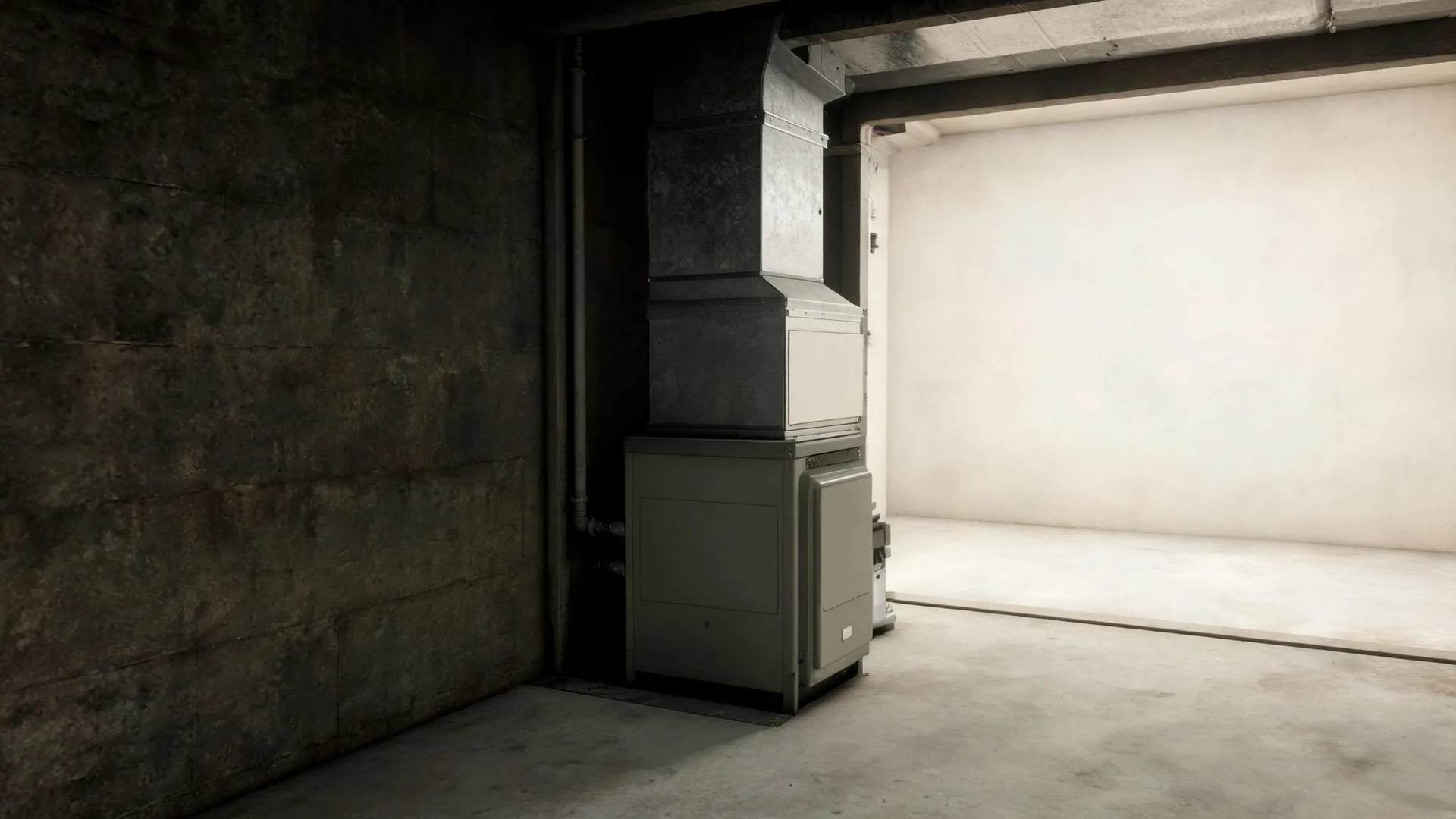
A furnace repair in Lincoln Parish starts with the parts that have actually been working. Homes in Lincoln Parish, LA run heat about five months a year, from November through March. The burner, heat exchanger, and ignition system cycle on and off through all of that, and the wear shows up in them first. A contractor will check igniter condition, look at the heat exchanger for cracks, and inspect the burner ports before pricing anything else. Those are the components carrying the load, and they are where failures concentrate.
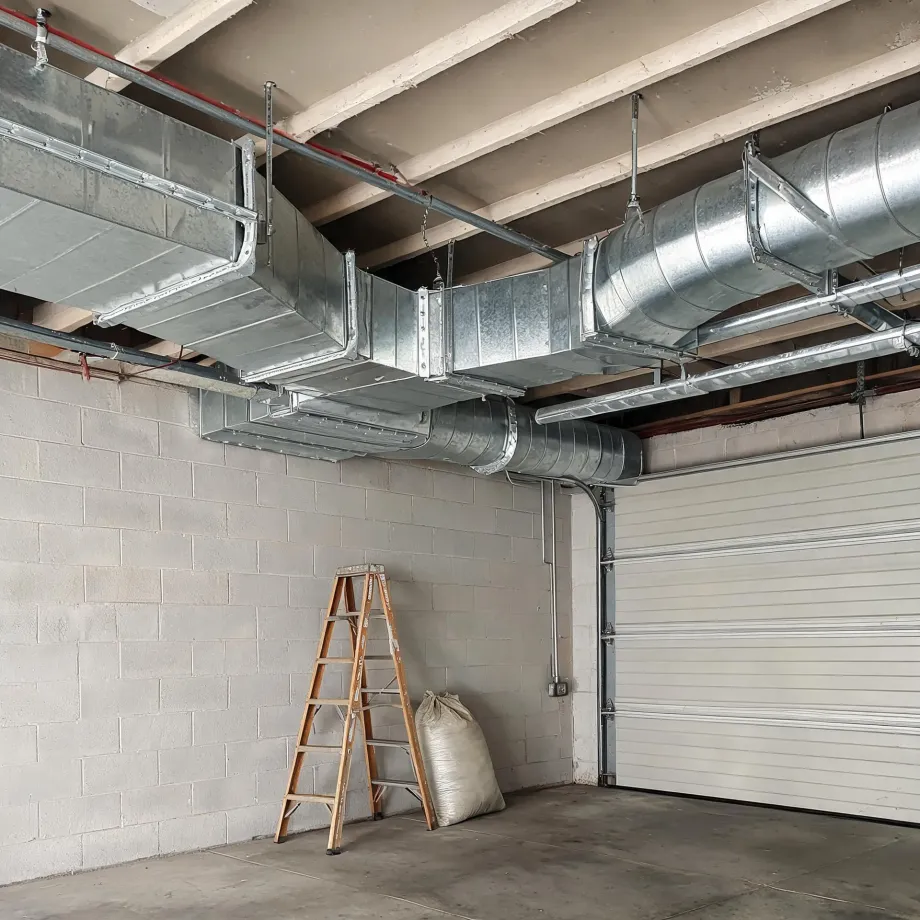
Furnace parts for systems running in houses this old are the variable that decides how a repair job goes. Half the homes in Lincoln Parish, Louisiana were built in 1984 or earlier (2020-2024 ACS 5-year). A contractor who opens a furnace in Lincoln Parish often finds components sized and manufactured for equipment that suppliers stopped stocking years ago, which turns a straightforward repair into a sourcing problem before it becomes a pricing one. Heat exchangers, igniter assemblies, and control boards tied to discontinued product lines can sit on back-order or disappear from supply entirely, and what a contractor quotes depends heavily on what they find inside.
The Parts of a Furnace a Contractor Checks First
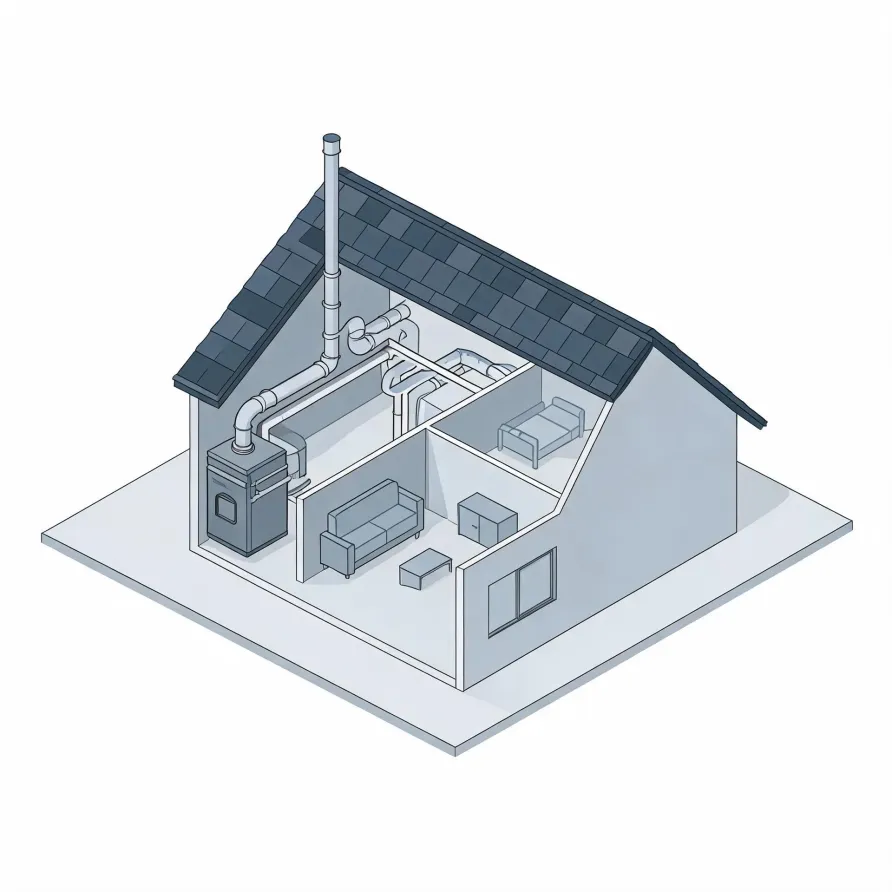
The furnace cabinet sits in a utility room, basement, or closet and holds the components a contractor reaches for first when something goes wrong. Inside it, the heat exchanger is the part that warms the air, and a crack or breach there is among the more serious findings. The burner assembly, which fires below or alongside the exchanger, is another early stop.
The blower motor sits at the base of the cabinet and pushes conditioned air out through the supply side of the house. Near the cabinet you will also find the flue or vent pipe, which carries combustion gases out of the home, and the condensate drain on high-efficiency units. A fault in any of these shows up in how the furnace runs, cycles, or fails to start.
The drawing shows a general layout of these components, and a licensed contractor determines what applies to the specific equipment and configuration in your home.
Get matched in Lincoln ParishLincoln Parish by the Numbers
80 severe weather events were recorded in Lincoln Parish, Louisiana between 2015 and 2024.
NOAA National Centers for Environmental Information, Storm Events Database, bulk CSV export, events 2015-01-01 through 2024-12-31.Half the homes in Lincoln Parish, Louisiana were built in 1984 or earlier (2020-2024 ACS 5-year).
U.S. Census Bureau, 2020-2024 American Community Survey 5-Year EstimatesLincoln Parish, Louisiana holds 20,827 housing units (2020-2024 ACS 5-year).
U.S. Census Bureau, 2020-2024 American Community Survey 5-Year EstimatesOwners occupy 53.8% of the occupied homes in Lincoln Parish, Louisiana (2020-2024 ACS 5-year).
U.S. Census Bureau, 2020-2024 American Community Survey 5-Year EstimatesCodes & Standards Governing Furnace Repair in Lincoln Parish, Louisiana5 sourced rules & standards
What HVAC Repair Looks Like in Lincoln Parish
Non-weatherized gas furnaces manufactured on or after November 19, 2015 must reach 80.0 percent AFUE.
Non-weatherized oil-fired furnaces manufactured on or after November 19, 2015 must reach 83.0 percent AFUE.
Mobile home gas furnaces manufactured on or after November 19, 2015 must reach 80.0 percent AFUE.
Non-weatherized gas furnaces manufactured on or after December 18, 2028 must reach 95.0 percent AFUE, up from the 80.0 percent minimum that applies to units manufactured before that date.
Licensing Rules for HVAC Repair in Lincoln Parish, Louisiana
Louisiana requires an active state contractor licence: it is unlawful to engage or continue in the business of contracting, or to act as a contractor, without one.
Severe Weather Events in Lincoln Parish
Extreme weather puts hours on a furnace fast, cycling it hard through cold snaps and wide temperature swings. How often that happens in Lincoln Parish shapes how much wear local equipment takes and how often repair becomes the right call.
80 severe weather events, 2015–2024. Source: NOAA National Centers for Environmental Information, Storm Events Database.