


Furnace back up and running
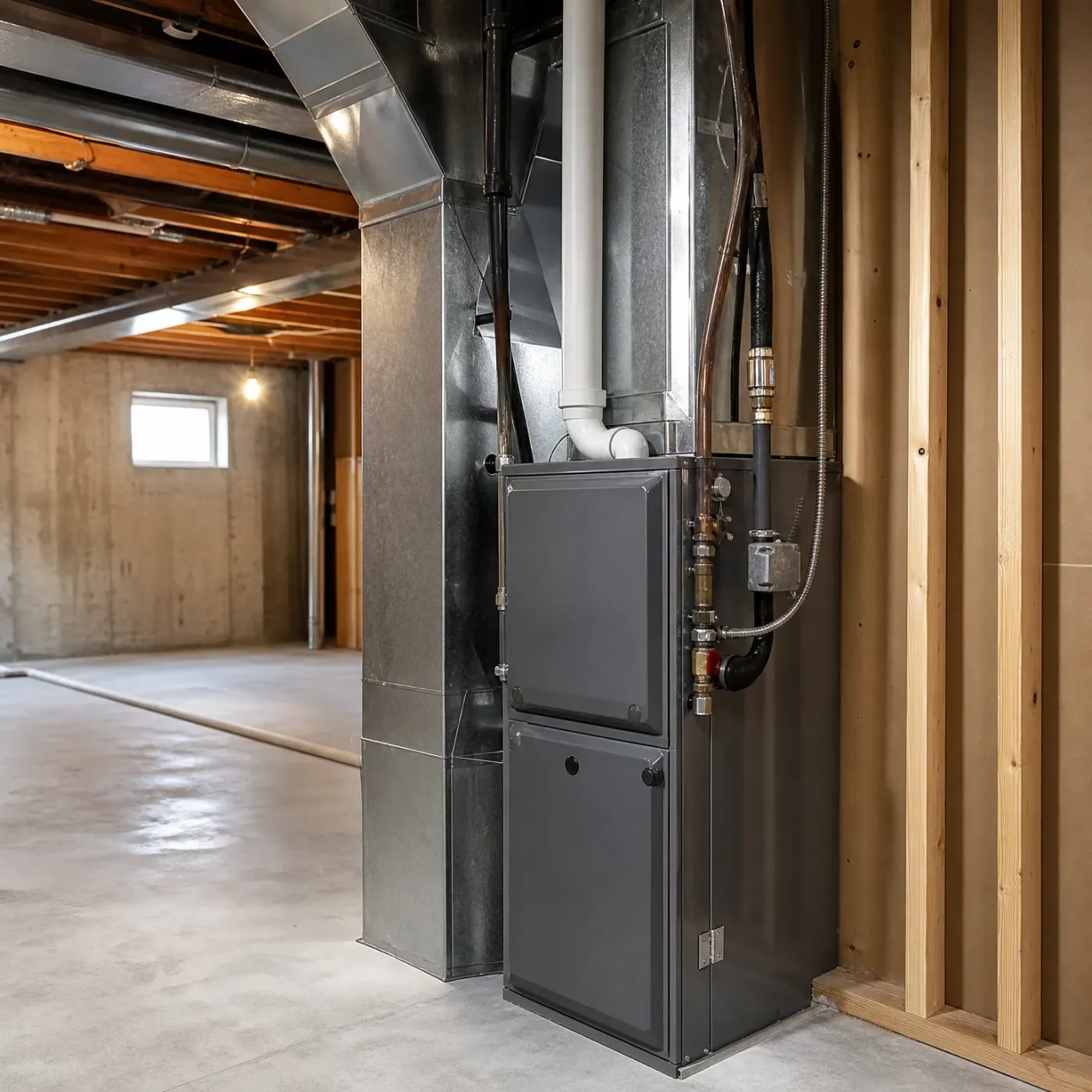
The burner is cycling and the ductwork is carrying warm air again. The flue pipes are venting normally and the gas line is doing its job quiet and steady. This is where you want to land once power comes back.
Describe your furnace job, and a local pro who handles it gets in touch.
Request a proYour power went out, and now it's back, but the furnace isn't. You've checked that the lights work and other outlets have power, so the outage itself is over. The thermostat might be blank, or it might show a temperature but nothing kicks on. You're not sure if this is something you can fix in five minutes or if it means a call is coming.
Most electric furnaces don't restart on their own just because power is back. A power outage can trip the breaker that feeds the furnace, and that breaker stays tripped until someone switches it off, then back on. Some furnaces also have a separate switch near the unit, or one at the top of the basement stairs if yours is set up that way, that looks like a light switch and needs to be in the on position. If the thermostat screen is blank, check its own batteries too. None of this means the furnace is damaged. It usually means one switch somewhere didn't reset itself when the power did.


An hour has passed since the power came back, and your house hasn't warmed up. You might notice the thermostat display is dark, or it's lit but the number isn't moving. Touch a vent and there's no air at all, warm or otherwise. In a Louisiana winter that's not an emergency the way a burst pipe is, but a house that sits cold for hours starts to feel damp, and anyone in the house who's older or sick feels it faster than you do. If you've got a space heater running to make up the difference, that's worth watching too, since it's pulling a lot more power than the furnace ever did.

Electric furnaces here don't usually need a manual restart after the power comes back. The control board reboots itself, and once the thermostat calls for heat again, the sequence starts over on its own. If a breaker tripped during the outage, that board never gets power, and nothing downstream of it will move no matter how long you wait. Check the breaker panel for the furnace circuit before anything else. A tripped breaker is often the whole story.

Once the furnace does get a call for heat, the blower doesn't start right away. The heating elements come on first, and the blower waits for a built-in delay, often a couple of minutes, before it pushes air through the vents. If you check a vent too soon after power returns, you'll feel nothing and assume the furnace failed. Give it time before deciding it isn't working. The silence at the vent right after a restart is normal, not a sign of trouble.

A furnace doesn't just flip on. The control board checks for a call for heat from the thermostat first. If that call is there, the inducer motor starts spinning to clear the heat exchanger before anything else happens. Only after that does the igniter heat up, the gas valve open, and the burner light. Each step waits for the one before it to finish, so a furnace that's working through this sequence can take a couple of minutes to show warm air at the vents. That's normal and not a sign anything is wrong.
Where it actually stops matters. An inducer that never starts points to the control board itself or the power feeding it. An inducer that runs but no burner follows points to the igniter or the gas valve. A contractor who hears which stage it stalled at knows where to look before they've even pulled a panel off, and once you're matched with one who takes jobs like this in your area, that's the first thing they'll want to know from you.



After you send the request, you're done searching.
Say what's going on with your furnace, and a pro who works on them reaches out.
No fee to send it, and nothing to sign.
The burner is cycling and the ductwork is carrying warm air again. The flue pipes are venting normally and the gas line is doing its job quiet and steady. This is where you want to land once power comes back.

An hour on and the unit sitting on its pallet hasn't fired once. No sound from the burner, no warm air through the ducts overhead, nothing moving. If the breaker is good and the thermostat has power, this is when a contractor needs to look at it.




On a January night like that, 43°F is about what you'd wake up to find on the thermostat if your furnace didn't come back on. That's cold enough in a house this size that you'd feel it in a couple hours, not overnight. If the burner isn't cycling by now, it's worth checking rather than waiting it out.
NOAA nClimDiv 1991-2020 county normals weighted by homes
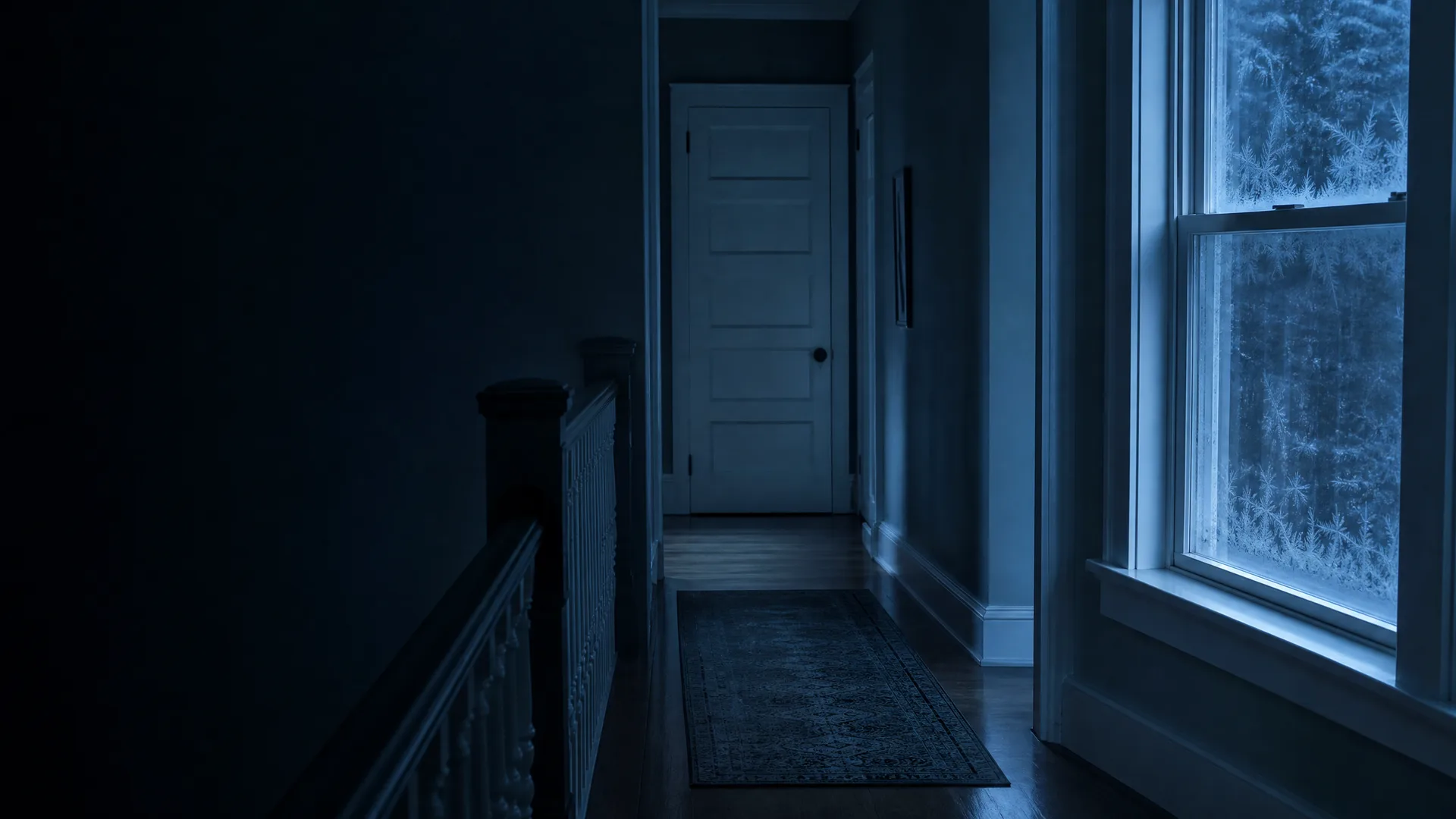
The outage knocked the clock on the stove back to blinking zeros hours ago, and you went to bed thinking the house would catch back up on its own. It hasn't. You're standing in the upstairs hallway in bare feet because the cold pulled you out of sleep, and the floor vents aren't making a sound. No hum from below, no rush of air against your ankles. The hallway window has frost climbing the inside edge of the glass, which this house doesn't usually get. The nightlight by the bathroom door is the only thing working, casting everything in that flat blue you only see at 2 a.m. You stand there a second longer, waiting to hear the burner catch. It doesn't.
If you've checked the breaker, reset the thermostat batteries, and the burner still isn't cycling, the furnace isn't going to fix itself from here. Most electric furnaces in Louisiana homes reset on their own once power is back, so a unit that's still quiet after all that has something in it that needs a hand, not just time. That's not something to keep testing into the night. Send the form and the search for someone qualified stops being yours to carry. You won't be told exactly when they'll call, but once it's sent, you can stop checking the breaker every twenty minutes and stop standing in a cold hallway guessing what's wrong. The house will warm back up once a contractor gets to the part that's actually failing. Until then, you know where things stand: power's back, the furnace isn't, and that's a job for someone who works on these for a living.

Send the request today and stop worrying about who to call.